Reading matters
When children read well, they are better able to keep learning across every subject.

Skill-Building
Reading, digital literacy, problem-solving, and practical life skills all shape what a person can do next. When children and adults have the chance to build those skills over time, they are better able to handle daily life, make informed decisions, and move toward greater stability.
Stability is an important starting point, but lasting progress depends on more than meeting immediate needs. People also need the skills that allow them to move through school, work, and daily responsibilities with confidence.
For children, that often begins with reading. Strong reading skills affect every subject they encounter in school.
For adults, skills like using a computer, completing online applications, or managing finances can make the difference between feeling stuck and moving forward.
When people have the chance to build these abilities over time, they are better prepared to adapt when circumstances change and to make decisions that support long-term stability.
When children read well, they are better able to keep learning across every subject.
Jobs, services, forms, and appointments now happen online. Knowing how to use technology affects everyday life.
Skills grow through repetition, encouragement, and someone nearby who can help when things feel hard.
MEET MONICA
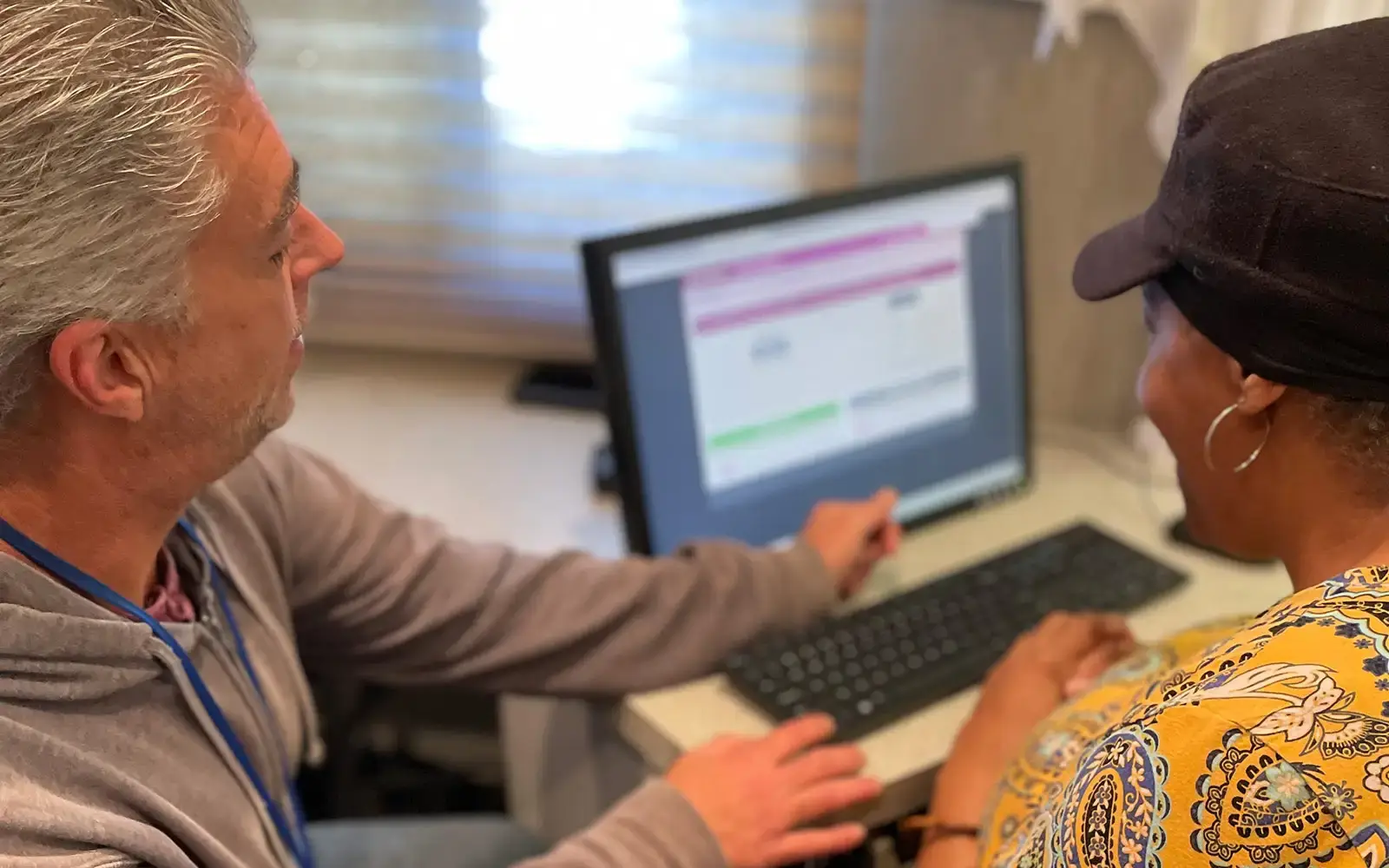
Monica had spent several years caring for her sister through hospice. When that chapter of her life ended, she began thinking about returning to work.
But the process looked different than it once had. Job searches, applications, and even interviews now happen online. Before jumping back in, Monica wanted to feel comfortable using a computer again.
Over the past several weeks, she has been meeting regularly with a coach in her community, working through the basics side by side. The support was easy to access, but what mattered most was that it came through someone she already knew and trusted.
Over the past several weeks, she has been meeting regularly with a coach in her community, working through the basics side by side. The support was easy to access, but what mattered most was that it came through someone she already knew and trusted.
WHAT THIS LOOKS LIKE
Skill-building can look different depending on someone’s stage of life. For a child, it might mean reading with a mentor, sounding out unfamiliar words, and practicing until something finally clicks. For an adult, it might mean learning how to navigate a computer, fill out online forms, or manage everyday decisions with greater confidence.
What matters most is having the chance to ask questions, keep practicing, and build confidence over time with someone nearby who can help.

WHERE THIS MATTERS
Reading, digital literacy, problem-solving, and financial knowledge all influence how people move through school, work, and everyday life.
Stronger skills help children continue learning and help adults navigate the systems that shape work, healthcare, and daily responsibilities.
As people gain confidence in these areas, they are better able to make decisions, solve problems, and plan for the future.
Skill-building is not separate from stability. It is part of how progress lasts.
Where this shows up
Skill-building shows up across Phoenix Family’s programs. Families First helps parents build practical skills for work and managing everyday finances. Senior Empowerment helps older adults use technology and navigate the systems that shape daily life. HIKE helps children build the reading skills that support learning in every subject.
Skill-building helps families manage finances, complete applications, and make decisions that support long-term stability.
Skill-building helps older adults use technology, access services, and manage the everyday systems that shape independence and daily life.
Skill-building begins with reading. HIKE helps children strengthen reading and comprehension so they can keep up with school and continue learning as they grow.
Skill-building is not a separate program. It is part of how people gain the abilities they need to manage work, school, finances, and daily life.
The four parts of lasting progress
Progress also takes stability, consistent support, and long-term independence.